
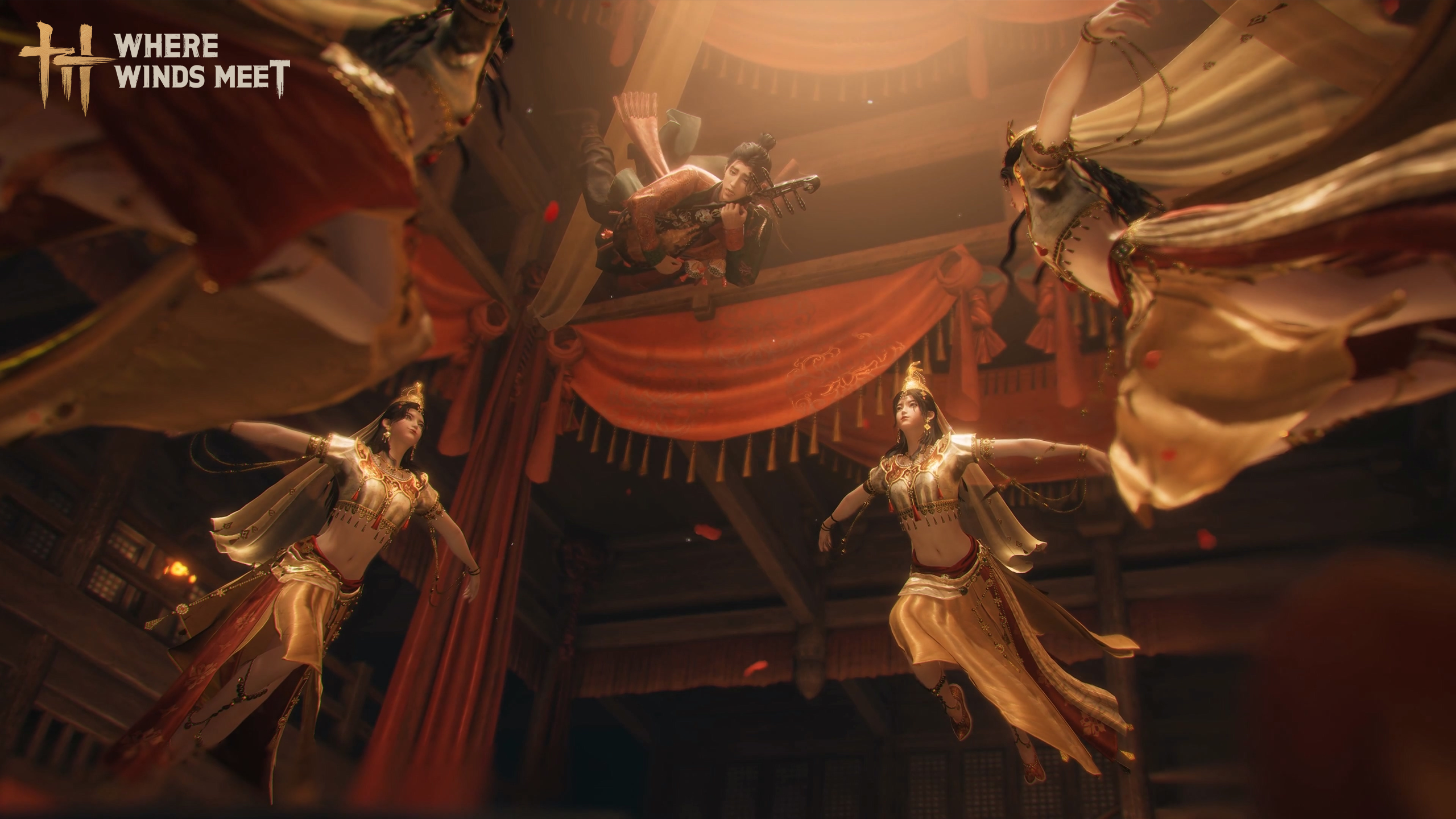
Everstone Studio recently released the “Liangzhou” update for its open-world Wuxia ARPG, Where Winds Meet. For players, the immediate trade-off is environmental: leaving behind the sprawling deserts of Jade Gate Pass for the harsh snowscapes and fortified frontier towns of Liangzhou. But the actual shift here isn’t geographic; it’s behavioral.
The core of this update is the introduction of the Heng Blade. Featuring action choreography by veteran filmmaker Stephen Tung Wai, this straight-edged Tang Dynasty weapon fundamentally alters the game’s combat loop. Previously, survival in Where Winds Meet relied heavily on passive evasion—dodging boss strikes and waiting patiently for an opening. The Heng Blade dismantles that habit by requiring a deflect-and-counter approach.
Players are now incentivized to actively parry strikes, deliberately interrupting an enemy’s momentum. The trade-off is steep: you risk absorbing massive damage by standing your ground instead of rolling away, but you gain the ability to dictate the rhythm of the fight and force your own offensive windows. It shifts the player from a reactive survivor to a proactive combatant.
Beyond the mechanics, Liangzhou fleshes out the world’s grim reality. Two new questlines, “Liangzhou Melody” and “Paper Moon,” focus on the human cost of border conflicts, looking at how war alters individual destinies. Players can also align with “Raging Tides,” a military-forged sect built around battlefield endurance and camaraderie.
This new combat philosophy will be immediately tested against a fresh roster of bosses, including the Everdeer and a colossal siege beast known as Town Gate Roar. Ultimately, the Liangzhou update is more than a map expansion. It’s a deliberate design choice asking you to unlearn old defensive habits. The game now wants you to stand your ground, draw your blade, and push back.


Leave a Reply